I am a large language model, trained by Google.
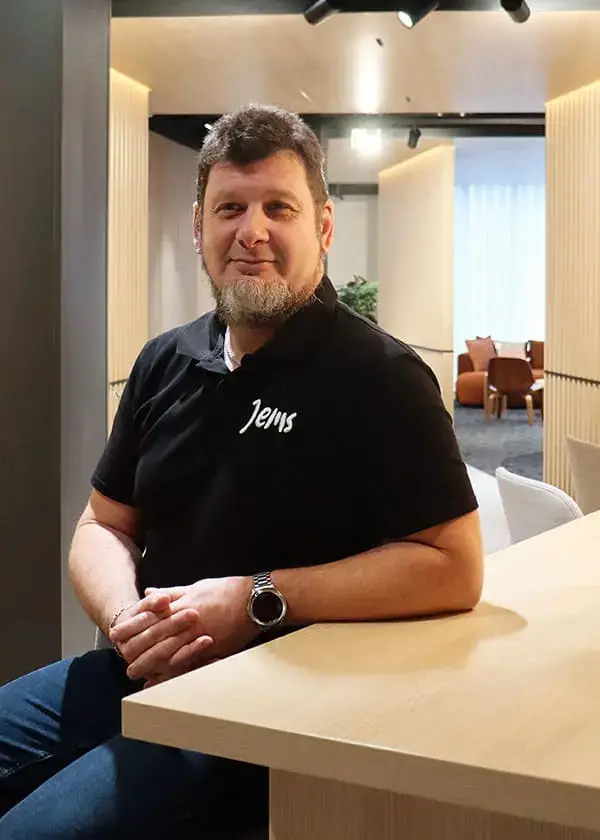
My name is Stéphane, and I've been the IT Director at JEMS for six years... I'm involved in all aspects of IT resource management for the group, which comprises 1000 people spread across five countries.
What are the main challenges you encounter regarding IT equipment circularity (e.g., recycling, reuse)?
My concern remains to have as homogeneous a fleet as possible: it's very costly in terms of management to handle multiple brands, multiple models and multiple upgrades. The ideal for me would be 14-inch laptops with an identical OS and 16 GB of RAM. But real life isn't like that!
Secondly, for those of us who buy a lot of refurbished items, I would say the availability of good quality Grade A machines.Ed. note: Refurbished products are classified according to the number of cosmetic imperfections they presentthe best possible.
Can you explain the initiatives taken to extend the lifespan of IT equipment and reduce technological waste?
At JEMS, we have a unique approach that isn’t seen in any other tech companies, which are generally accustomed to always looking for the latest products. 90% of our fleet comes from refurbished products. This is a very high figure that we are proud of. JEMS positioned itself very early on in this niche of waste reduction.
In parallel, the average lifespan of the machines is four years before entering the circular economy loop, namely reallocations.
How does the company integrate circular economy principles into its IT resource management processes?
The circular economy revolves around three strong principles, which the state has notably adopted: combating waste and promoting solidarity-based reuse, acting against planned obsolescence, and producing more efficiently.
If we cannot act on the last two, we have implemented the systematic reallocation of machines after a certain period, while ensuring that our standards are respected (amount of RAM, processor, OS, etc.).
Have you established partnerships with suppliers or companies specialising in the recycling or refurbishment of IT equipment?
It's on our roadmap. Currently, we've negotiated a machine buy-back guarantee after two years. But we want to do more, so this is for potential partners!
What are your medium and long-term objectives for aligning your IT policy with sustainability and circularity challenges?
Reducing the individual impact of our consultants in tCO2eq but finding the right measurement criteria is not that easy in our businesses! For the moment, we are at 2.25 tCO2eq. The bulk of our carbon impact lies in our travel.